
The Silent Invader: How Long-Term Air Pollution Slowly Damages Your Health
We often think of air pollution as a temporary inconvenience—hazy skies, a sore throat, or burning eyes on a bad day. But the real danger isn’t the occasional smog; it’s the silent, cumulative damage that happens over months and years of exposure.
Think of it like this: Smoking one cigarette is unlikely to give you cancer. But smoking a pack a day for 20 years dramatically increases your risk. Similarly, breathing polluted air every single day is like slowly poisoning your body from the inside out.
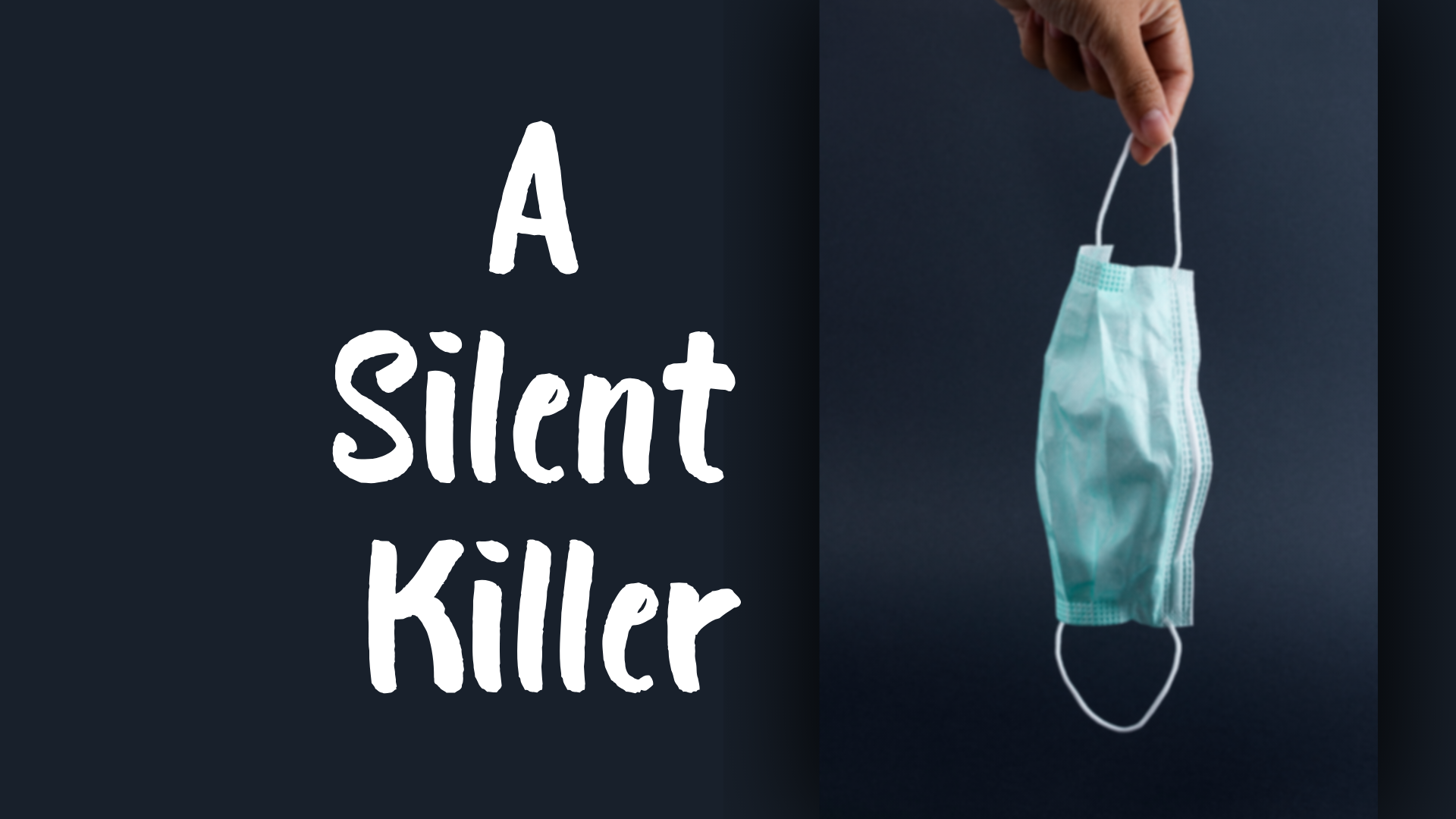
Here’s a breakdown of how long-term exposure to polluted air, particularly the invisible killer PM2.5, wreaks havoc on your major organs.
1. The Lungs: The First Point of Attack
- Chronic Bronchitis & Asthma: Constant irritation from pollutants inflames and narrows the airways. This leads to a persistent cough, phlegm, and wheezing. For asthmatics, long-term exposure increases the frequency and severity of attacks.
- Emphysema & COPD (Chronic Obstructive Pulmonary Disease): PM2.5 particles penetrate deep into the tiny air sacs (alveoli) in your lungs. Over time, this destroys the sacs’ elastic fibers, making it progressively harder to breathe. It’s like slowly deflating a balloon that can’t reinflate.
- Lung Cancer: The World Health Organization (WHO) has classified outdoor air pollution as a Group 1 Carcinogen—the same category as tobacco smoking and asbestos. Pollutants contain carcinogenic chemicals that can cause mutations in lung cells, leading to cancer, even in non-smokers.
2. The Heart & Cardiovascular System: A Silent Killer
- Hardening of Arteries (Atherosclerosis): The inflammatory response triggered by pollution particles causes plaque to build up in your arteries. This narrows and hardens them, restricting blood flow.
- High Blood Pressure & Heart Attacks: The strain of pumping blood through constricted arteries raises blood pressure. Inflamed and narrowed arteries are also more prone to clots, which can block blood flow to the heart, causing a heart attack.
- Heart Failure & Strokes: The constant strain on the heart weakens it over time, leading to heart failure. A clot can also travel to the brain, causing an ischemic stroke.
3. The Brain: Cognitive Decline & Mental Health
- Strokes: As mentioned, pollution-triggered blood clots can cause strokes.
- Neuroinflammation & Cognitive Impairment: Ultrafine particles can travel directly from the nose through the olfactory nerve into the brain. This causes inflammation, which has been linked to an increased risk of dementia, Alzheimer’s disease, and accelerated cognitive decline in adults.
- Mental Health Impact: Studies show a correlation between long-term exposure to high pollution and increased rates of depression, anxiety, and other mood disorders. The constant physiological stress and inflammation are believed to be key factors.
4. The Unseen Victims: Children & The Unborn
- Stunted Lung Development: Children breathing polluted air may never develop their full lung capacity. Their lungs remain underdeveloped, setting them up for a lifetime of respiratory vulnerability.
- Neurodevelopmental Problems: Exposure to pollutants like PM2.5 and lead in utero and early childhood has been linked to autism spectrum disorder, ADHD, and lower cognitive performance.
- Asthma & Allergies: Children growing up in polluted areas have a much higher lifetime risk of developing asthma and severe allergies.
5. The Whole Body: Systemic Damage
- Diabetes: Long-term exposure is now recognized as a significant risk factor for developing Type 2 Diabetes. Inflammation can interfere with the body’s ability to regulate blood sugar.
- Weakened Immune System: Your immune system is in a constant state of alert, fighting off the foreign particles. This can make it less effective at fighting actual infections like viruses and bacteria.
- Skin Aging & Damage: Pollution accelerates skin aging, causing wrinkles and dark spots. It can also exacerbate skin conditions like eczema and psoriasis.
The Bottom Line: It’s a Cumulative Assault
The scary part is that you don’t feel this damage happening day-to-day. It’s a slow, insidious process where each breath of polluted air adds a tiny, invisible weight to the scale of your long-term health.
Protecting yourself is no longer optional; it’s essential.
What Can You Do?
- Know Your Air: Make checking the AQI a daily habit. Use reliable sources like the Live AQI Map on IndiaPollution.com.
- Create Clean Air Zones: Invest in a good HEPA air purifier for your home, especially in bedrooms.
- Wear Protection: On bad air days (AQI >150), wear a properly fitted N95 or N99 mask outdoors.
- Advocate for Change: Support policies for cleaner fuel, green energy, and better public transport. Your long-term health depends on both personal protection and systemic change.